Case-based learningclosertoclinicalreality.
The limitations of traditional CBL
CBL has enormous potential—but in practice, these challenges get in the way of real learning.
Too passive to feel clinical
Students discuss cases without truly having to reason, prioritise and decide.
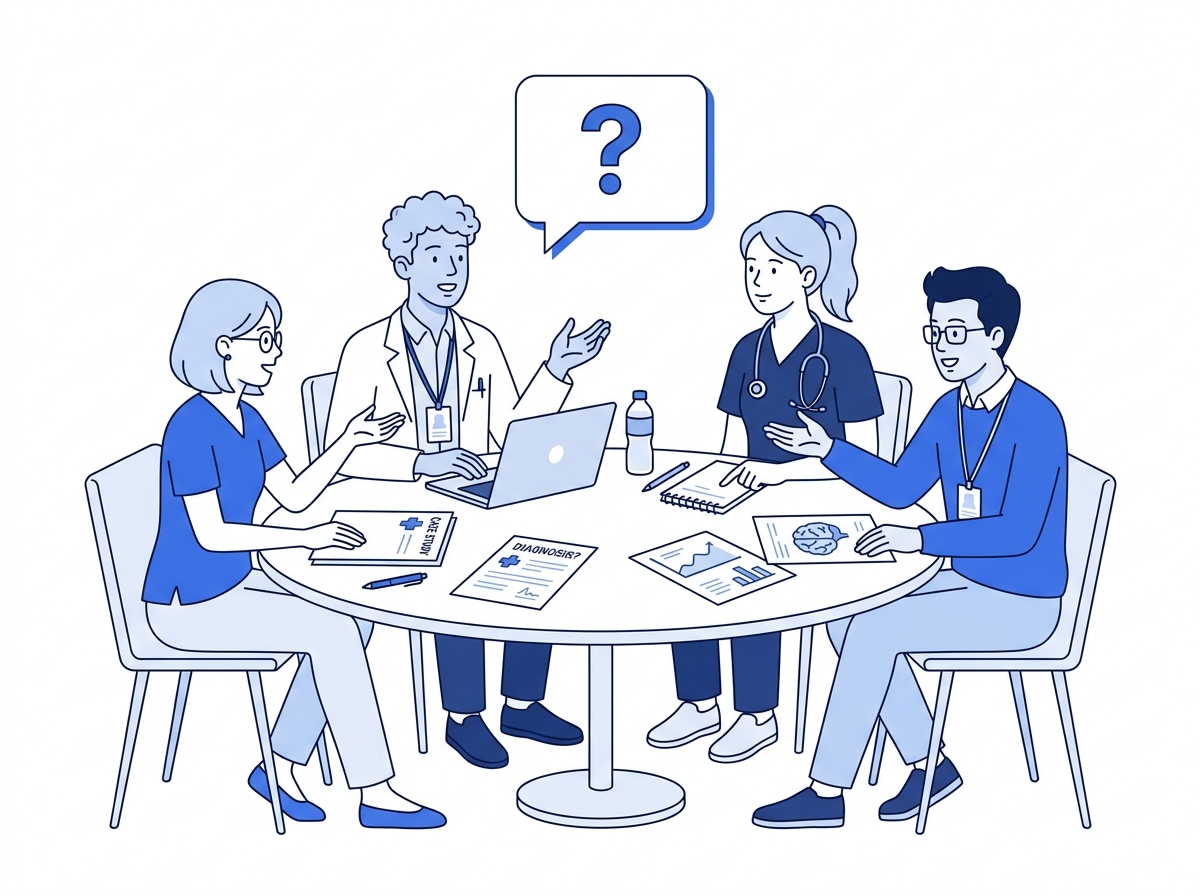
Too much information, too soon
Cases are often presented in full rather than progressively uncovered.
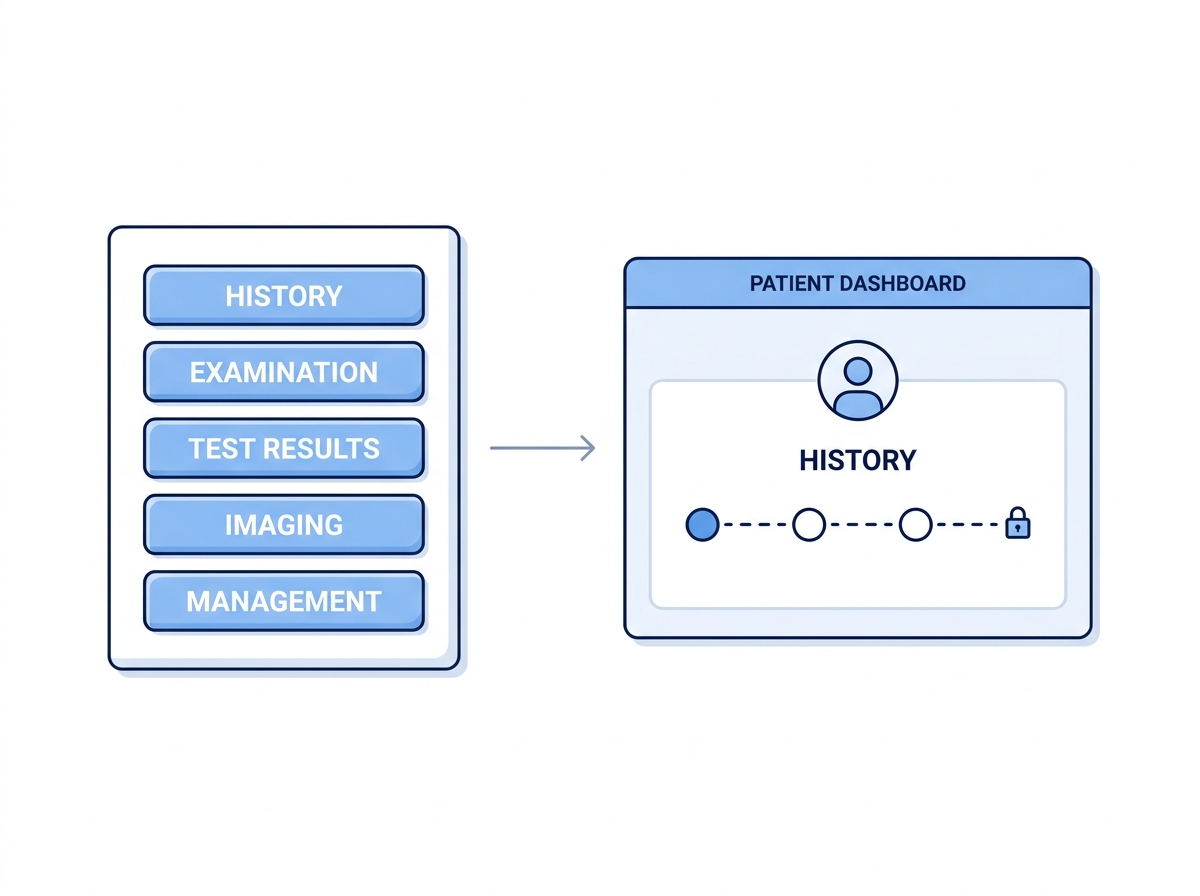
Too dependent on the room
Participation and facilitation can vary significantly between groups.
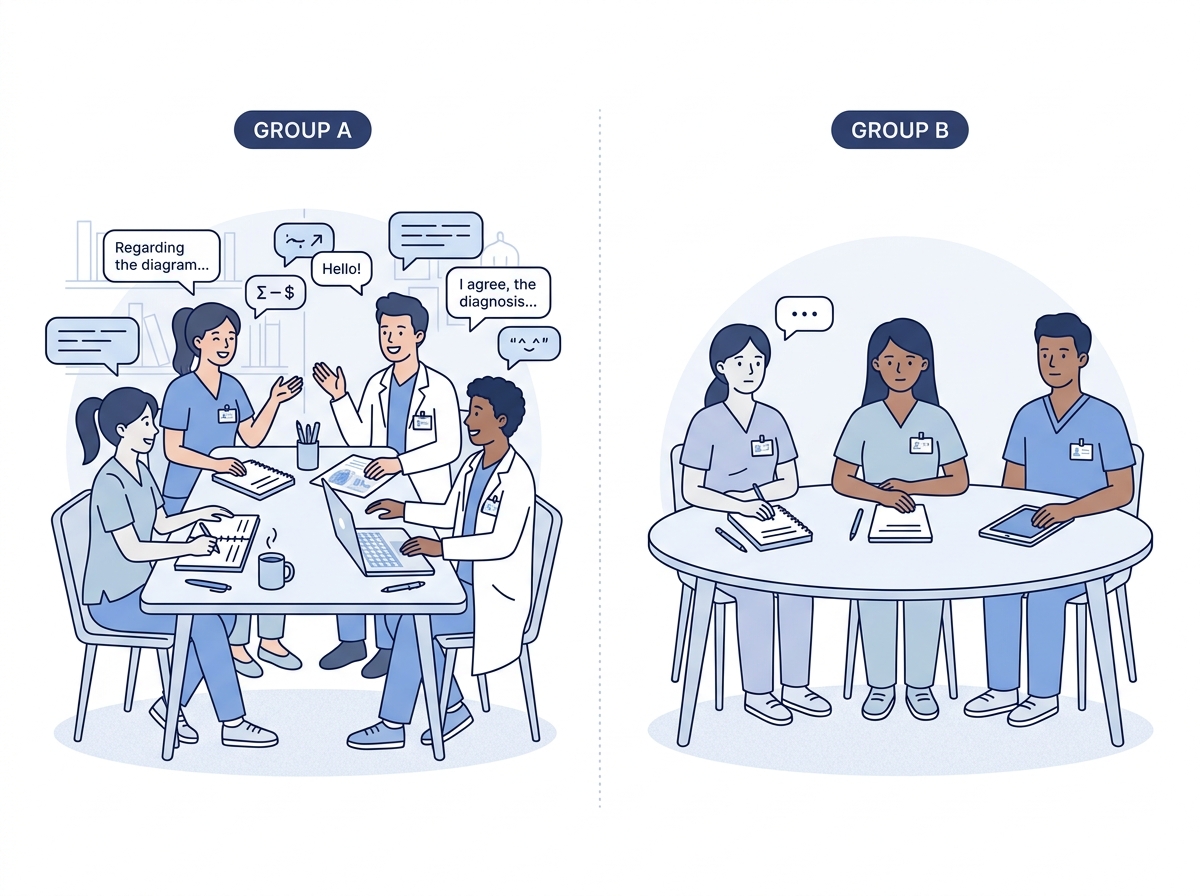
Clinical reasoning is hard to see
Educators often see the final answer, but not the thinking behind it.

Where cases feel interactive
Instead of static PDFs, students interact with responsive patients that disclose clinical findings based on targeted questioning.
One case. Seven stages.
Clinical reasoning in action.
Breakthrough turns clinical cases into interactive team experiences, taking students from presentation to debrief.
Meet the patient
Start with only what you’d know in real life.
Take the history
Ask the questions. Uncover the story.
Examine
Choose what matters. Reveal the findings.
Order tests
Order tests. Interpret results. Decide what’s next.
Diagnose
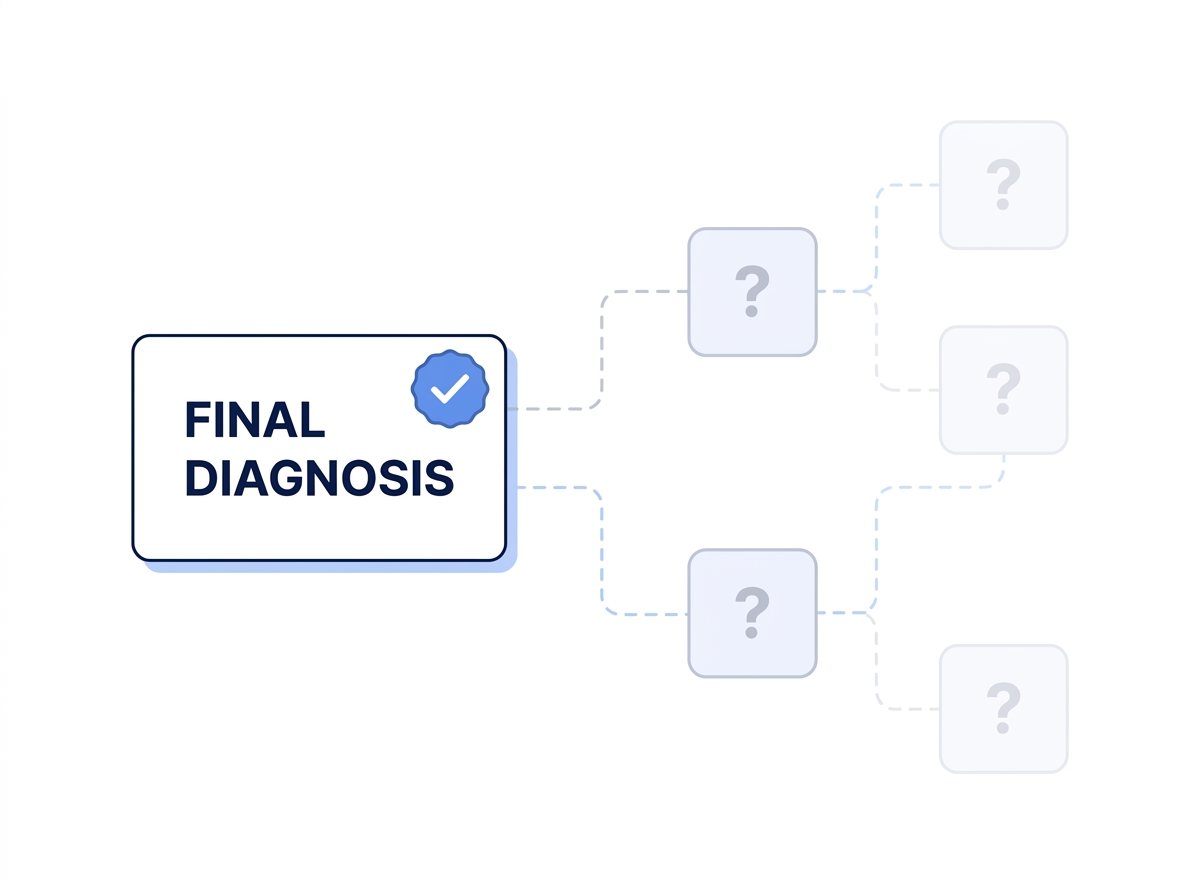
Build, rank and refine your differentials.
Manage
Treat, refer and make the next call.
Discuss your learning
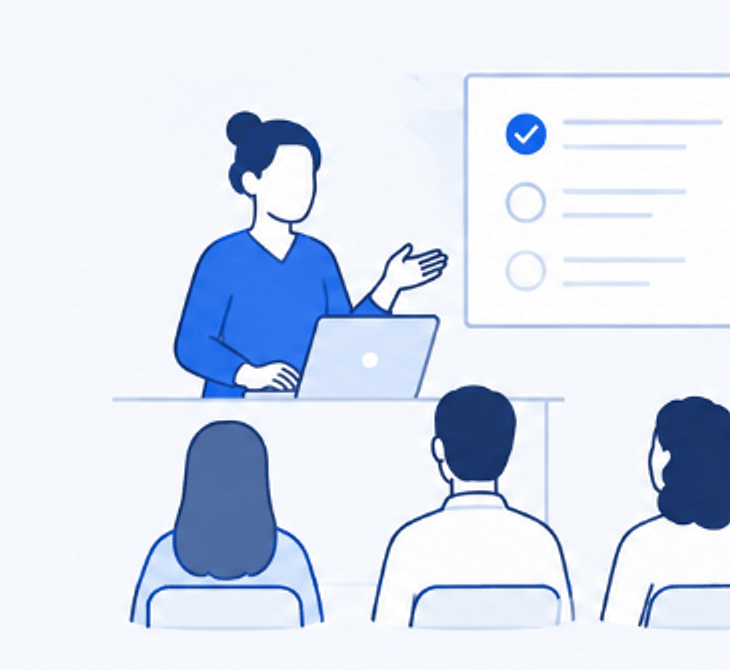
Review the decisions. Understand the reasoning.
Learn by reasoning, not just recalling.
Your questions reveals new clinical information
“David, can you describe what the chest discomfort feels like right now? Does it travel anywhere else?”
“It feels like an immense crushing weight right in the centre... aching up into my jaw and down my left arm.”
See the reasoning, not just the result.
Progressive by design
Information appears as students uncover it through their decisions.
Built to engage
Points, teams and competition keep students actively involved.
High-yield choice
+3 points to Team Alpha
Multimedia cases
Bring cases to life with clinical images, audio and media.
Educator-led
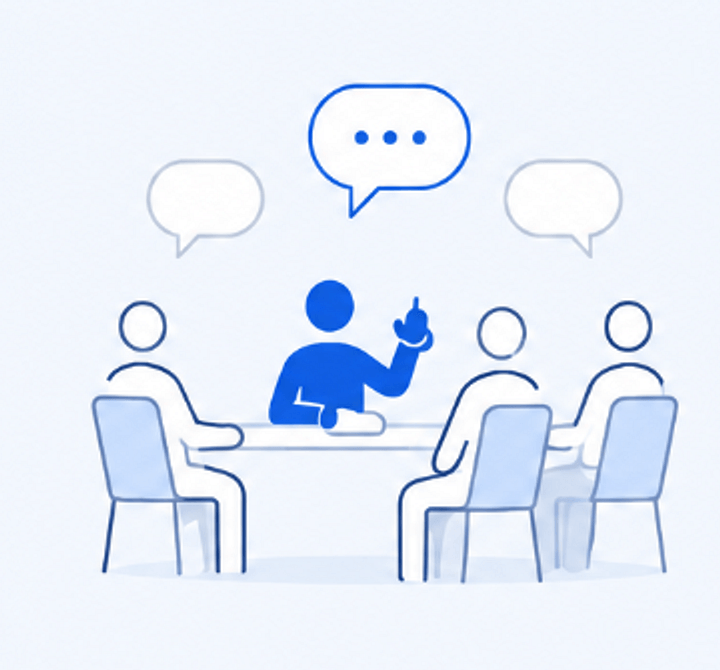
Facilitators guide the session and control how the case unfolds.
Reveal
Disclose ECG & lab results to all pods
Hint
Push differential reasoning prompt
Pause
Hold timer for seminar debrief